Driver less link to New Administrative Capital marks new era in urban transport
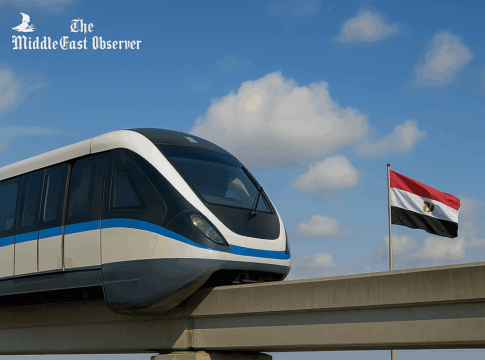
Egypt will inaugurate the first phase of the East Cairo Monorail on 9 November, marking a milestone in the country’s ongoing transformation of its public transport network. The project connects Nasr City with New Cairo and the New Administrative Capital (NAC) through a 56.5-kilometre elevated line featuring 22 stations.
Announcing the launch during the Second Cairo Forum, Transport Minister Kamel El-Wazir described the monorail as a “quantum leap in sustainable urban mobility” and part of a broader national effort to modernise Egypt’s transport infrastructure alongside the new high-speed electric train, which enters its trial phase this month.
Built by a consortium of Alstom, Orascom Construction, and Arab Contractors, the East Cairo line will use driverless electric trains operated from a central control hub in the NAC. Each train can carry up to 560 passengers, with a peak capacity of 10,000 passengers per direction per hour. The line will integrate with Metro Line 3 at Stadium Station and the Light Rail Transit (LRT) network at the Arts and Culture Station, creating a seamless connection between Cairo’s historic core and its fast-growing eastern suburbs.
Designed for speeds of 80 km/h, the system features platform screen doors, CCTV, fire-safety sensors, and barrier-free access through elevators, tactile floors, and digital guidance. The fully electric system aims to reduce congestion and cut fuel consumption across the capital.
When completed, the two-line monorail network—linking East Cairo to the NAC and West Cairo to 6th of October City—will span roughly 100 kilometres and 35 stations, forming a key pillar of Greater Cairo’s integrated mobility plan.