
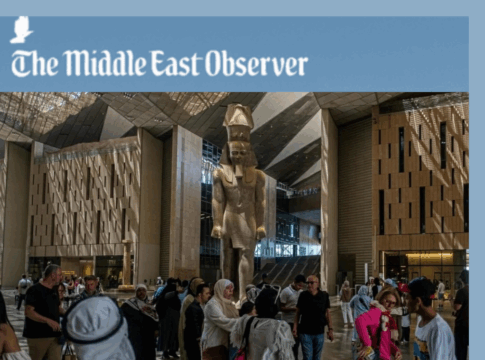
Egypt’s Grand Egyptian Museum (GEM) has rapidly emerged as a global tourism powerhouse, as renowned archaeologist Dr. Zahi Hawass declared from the Sharjah International Book Fair that Egypt could recover the museum’s full construction cost within just two years thanks to unprecedented tourist demand.
Hawass described the GEM’s opening as a “historic event” and the most important cultural achievement of the 21st century, noting that early visitor turnout has exceeded expectations and sparked nationwide excitement. He highlighted that families are traveling from distant governorates—including the New Valley—simply to experience the museum, a surge in domestic engagement never seen before.
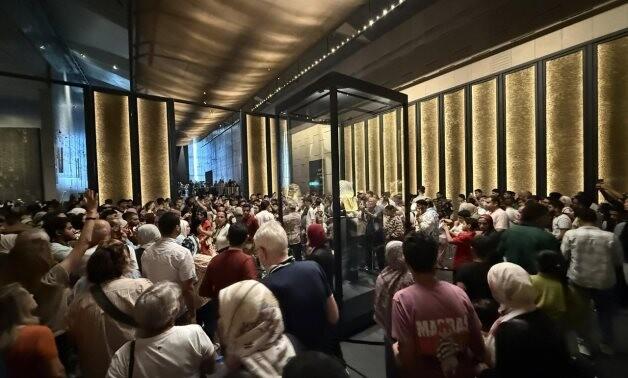
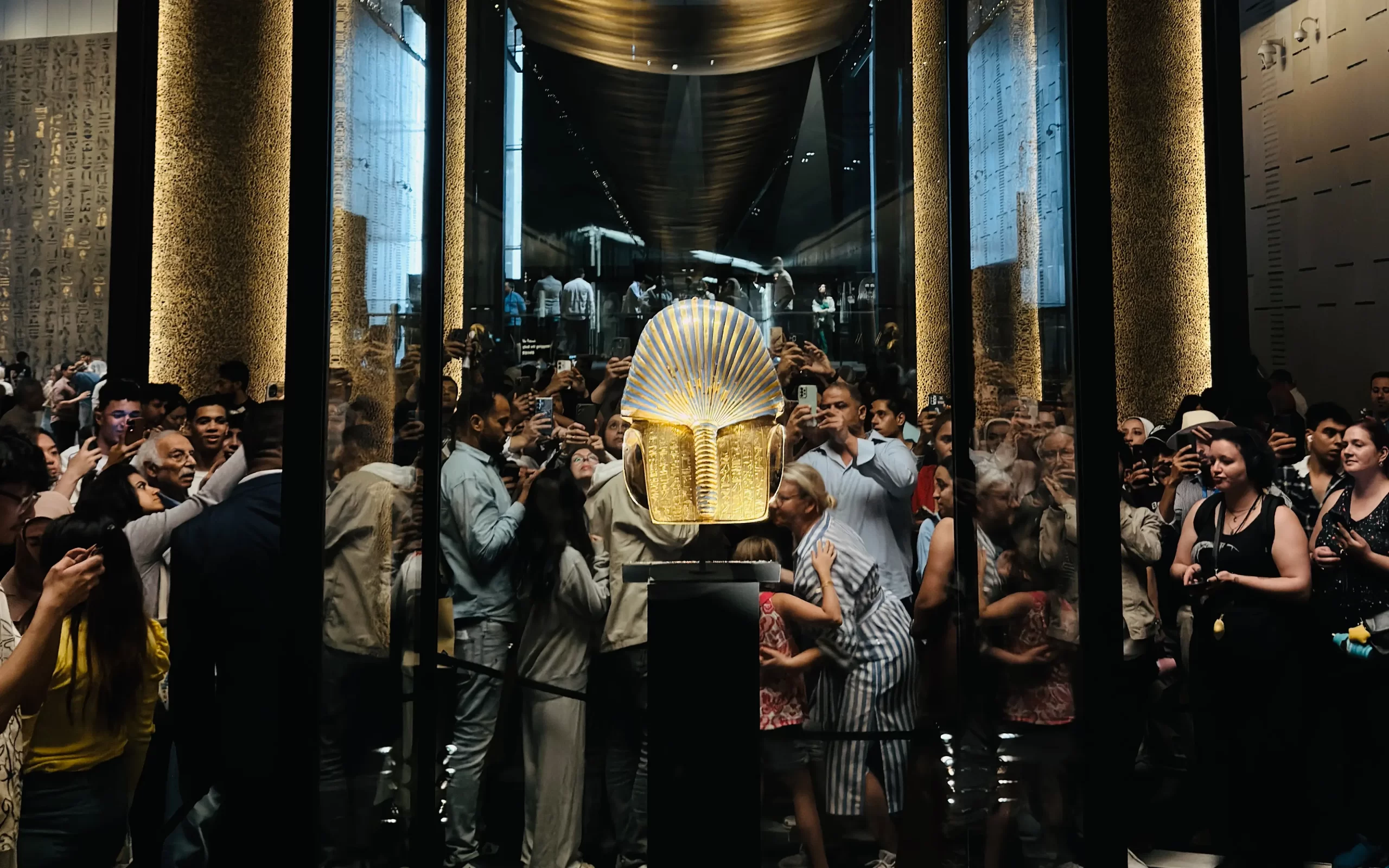
At the heart of the GEM’s appeal is the extraordinary display of ancient treasures, including artifacts from the tomb of Khnum-Khufu—the first royal tomb ever discovered in Egypt—and the world-famous Tutankhamun collection. Hawass emphasized that the pharaoh’s golden mask, monumental sarcophagi, and the iconic throne depicting Tutankhamun with Queen Ankhesenamun represent some of the greatest works of ancient art ever produced.
Hawass also praised the new Solar Boats Museum as a landmark archaeological accomplishment. The engineering feat of transporting King Khufu’s solar boat to its new, purpose-built structure next to the GEM, he said, remains “an unparalleled achievement of the modern age.” The museum’s entrance, marked by the towering statue of Ramses II, has already become a symbolic gateway for dignitaries and tourists from around the world.
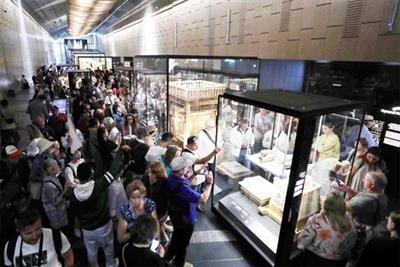
The GEM’s global breakthrough has been immediate. Since opening days ago, daily visitors have averaged 19,000, placing it among the world’s most-visited museums—surpassing or matching the daily traffic seen at the Vatican Museums, the Met in New York, and London’s British Museum. With its pace of growth, the GEM could welcome nearly 7 million visitors annually, rivaling the Louvre’s global record of 8.9 million.
This success is influencing the broader tourism economy. Hotels in Cairo and Giza are fully booked through December, with room rates up 40% year-on-year. The Cairo–Giza area, which currently offers 35,000 rooms, is preparing for a surge in demand as tour operators extend itineraries to include longer stays around the museum.
Major investments are also flowing in. The Talaat Moustafa Group (TMG) has announced a $788 million luxury tourism project directly behind the museum, featuring a Four Seasons hotel, serviced residences, retail zones, and entertainment areas—expected to generate over $82 million in recurring revenues and $233 million in real estate sales.
Egypt’s tourism momentum is further supported by national campaigns such as “Unmatched Diversity,” launched in London during the World Travel Market with large promotional displays across Heathrow and Piccadilly Circus. The country welcomed 15.8 million tourists in 2024, generating a record $14.1 billion, and aims to reach 30 million visitors by 2028.
As Hawass noted, the Grand Egyptian Museum is more than a cultural landmark—it is Egypt’s new global symbol. With rising hotel investments, increased flights to Sphinx International Airport, and a booming visitor economy, the GEM is reshaping Egypt’s tourism landscape and reinforcing its position as one of the world’s most compelling travel destinations.