
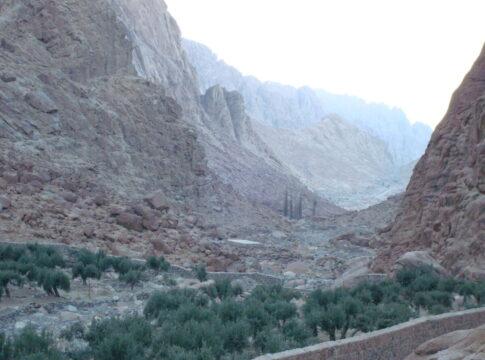
Egyptian authorities have reopened several historic valleys in the Saint Catherine region to both local and international visitors. The South Sinai Governor, Major General Khaled Mubarak, announced this landmark decision, marking a new chapter for the area long closed off to safeguard its delicate mountain ecosystem.
The valleys now accessible for safaris and camping include Wadi Sheikh Awad, Talah, Zaghra, El-Tala, Gebel al-Arbaeen, and Al-Seba‘iya, all situated within the Saint Catherine protectorate. This initiative aims to bolster the region’s appeal as a premier eco-religious-safari destination and is part of the expansive multi-billion-pound “Great Transfiguration” project.
Launched in mid-2020, the Great Transfiguration initiative is a comprehensive plan to enhance both spiritual and eco-tourism by investing in infrastructure, accommodation, and visitor services. The project includes the development of a visitor center, eco-lodges, and new residential areas such as Zaytouna, along with upgraded road networks. A key highlight is the upcoming construction of St Catherine International Airport, poised to significantly increase accessibility.
With a projected investment of EGP 4 billion (approximately USD 80 million), the initiative is expected to draw up to a million visitors annually, reinforcing Saint Catherine’s standing as a global hub for pilgrimage and nature-based tourism. Tourism expert Dr. Amira Nashad from the Egypt Tourism Development Authority notes, “This project is a visionary step towards sustainable tourism, balancing ecological preservation with the attraction of global visitors.”
Saint Catherine’s allure lies not only in its natural beauty but also in its profound spiritual significance. It is revered worldwide, especially for the Mountain of the Great Manifestation, traditionally believed to be where God revealed Himself to Prophet Moses. Additionally, Mount Saint Catherine, Egypt’s highest peak, adds to the region’s geographic and cultural significance.