
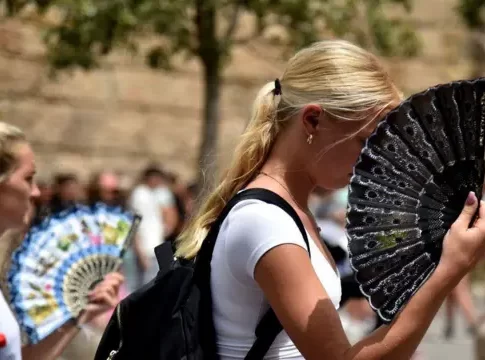
The situation underscores the broader climate challenges facing Europe, widely recognized as the fastest-warming continent. Scientists from World Weather Attribution have noted that heat waves, like the current one, are now ten times more likely than in pre-industrial times. This increase in frequency and intensity is a stark reminder of the ongoing climate crisis.
The impact has been palpable, with reports of a Dutch tourist succumbing to heatstroke in Majorca and wildfires forcing evacuations in France. Spain’s state meteorological agency, Aemet, has sounded the alarm, highlighting the persistent and abnormally high temperatures that threaten vulnerable groups, including older adults and those with pre-existing health conditions.
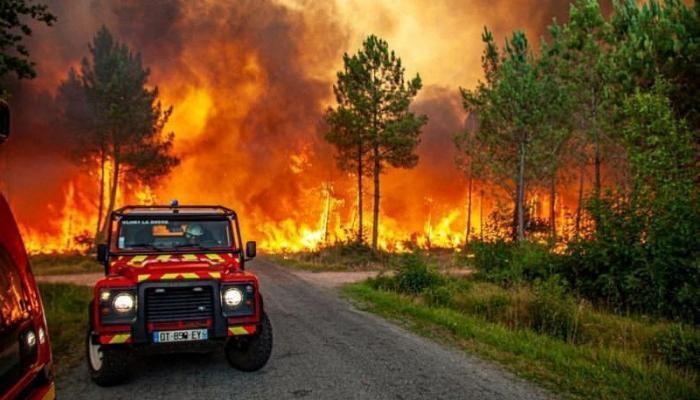
Germany has been proactive, warning its citizens traveling to Croatia, Spain, and Portugal to take serious precautions against the heat. Sweden’s foreign ministry has also issued alerts about Spain’s extreme temperatures and potential wildfires, urging travelers to remain vigilant, particularly near forested areas.
The heatwave has already disrupted tourism in regions like the Greek islands and southern Spain, according to reports from Skift. These challenges are a testament to the vulnerability of the tourism sector to climate-induced disruptions, impacting both local economies and the experiences of millions of visitors.
Dr. Hans Kluge, WHO’s regional director, has emphasized the broader implications, stating, “In the European region, heat stress is the leading cause of climate-related death.” This is backed by WHO estimates that attribute 175,000 annual deaths in Europe to heat-related causes, a figure projected to rise as global temperatures continue to escalate.
A recent UNESCO report highlights that climate change, through extreme weather events like droughts and floods, poses a long-term threat to the world’s cultural and natural heritage sites. The report cites that almost three-quarters of non-marine sites on the UNESCO Heritage List face severe water risks, affecting ecosystems, cultural sites, and the communities reliant on tourism.
The situation in southern Europe calls for immediate attention to climate adaptation measures to safeguard both the tourism sector and local communities. As temperatures continue to rise, the necessity for robust infrastructure, emergency preparedness, and sustainable tourism practices becomes ever more critical.
For tourists, this summer serves as a poignant reminder of the growing influence of climate change on travel plans and the importance of staying informed and prepared. As the heatwave persists, travelers and the tourism industry must adapt to this new reality, ensuring both safety and enjoyment during the holiday season in southern Europe.
