
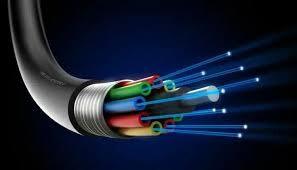
Djibouti Telecom is preparing a major upgrade to its Djibouti Africa Regional Express 1 (DARE1) submarine cable, extending the network’s reach southward from Mombasa, Kenya, to Mtunzini, South Africa, via new branches in Tanzania, Mozambique, and Madagascar—a move designed to boost capacity, reduce latency, and strengthen connectivity across East and Southern Africa.
Operational since 2021, the original DARE1 system currently links Djibouti City to Bosaso and Mogadishu in Somalia, then winds down to Mombasa in Kenya, delivering up to 36 Tbps of bandwidth across three fiber pairs. The planned extension—estimated at 3,200 to 3,500 km—will fan out from Mombasa’s Nyali trunk station with landing sites in Dar es Salaam and Mtwara (Tanzania); Nakala, Beira, and Maputo (Mozambique); Mahajanga and Toliary (Madagascar); before ending at Mtunzini, South Africa.
Construction is slated to begin in 2026, with services expected to go live in 2028. Once completed, this enhanced route will significantly bolster route diversity—ensuring that East–South traffic has alternate paths should any one cable fail, a feature that became painfully important after widespread outages disrupted regional connectivity in 2024
Beyond resilience, the extension seeks to meet rising demand from cloud platforms, telecom operators, and enterprises for high-speed, low-latency data pathways. Djibouti Telecom envisions DARE1 as a backbone for regional integration, complementing emerging systems—such as Google-backed Equiano and Meta-supported 2Africa—in forging a robust digital infrastructure across the continent.
By deepening East-to-Southern Africa connectivity, DARE1 is poised to play a pivotal role in Africa’s digital evolution—enabling expanded access to global internet hubs, fueling digital services growth, and strengthening future resilience across the region’s telecommunications landscape.