
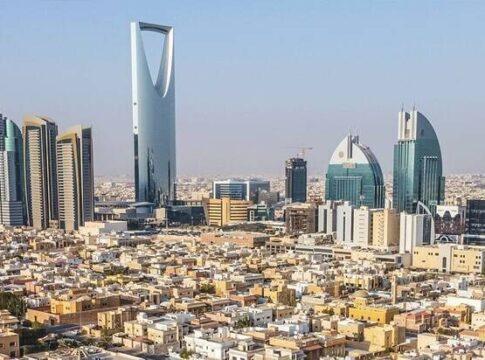
The announcement, made by the Minister of Municipal and Rural Affairs and Housing Majid bin Abdullah Al-Hogail, received widespread praise as a key reform designed to invigorate the real estate sector and attract international developers and investors. As reported by the Saudi Press Agency, Al-Hogail emphasized the initiative’s role in expanding property supply and fostering a balanced market.
The updated regulations will enable foreign ownership in designated zones, particularly in major cities like Riyadh and Jeddah, with specific conditions governing ownership in the holy cities of Makkah and Madinah. The General Authority for Real Estate is tasked with identifying permissible areas, and detailed implementation guidelines are expected to be released on the Istitlaa platform within 180 days.
This move is integrally linked to the Premium Residency Programme (Iqama) and regulations concerning property ownership by Gulf Cooperation Council citizens, facilitating cross-border investment in real estate.
Hamad Al-Shuwaier, chairman of the National Valuation Committee at the Saudi Chambers Federation, praised the Cabinet’s decision as a vital boost for the industry. “The influx of foreign capital and international developer engagement will enhance market quality and availability,” Al-Shuwaier remarked, highlighting the real estate sector’s role in supporting over 80 related industries.
Badr Al-Sulaimani, a prominent real estate specialist, underscored the strategic significance of utilizing Saudi Arabia’s vast territory. Currently, only 0.36 percent of the Kingdom is developed, indicating immense potential for growth. “These regulations are a testament to the government’s dedication to leveraging geographical assets for Vision 2030,” Al-Sulaimani noted, pointing to the preparation for global events like Expo 2030 and the 2034 World Cup.
Real estate expert Fawaz Assiri emphasized the updated system’s potential to boost market attractiveness through enhanced foreign direct investment. The precise delineation of geographical boundaries and tailored requirements for holy cities ensure stability and safeguard citizen interests, maintaining a balanced property market.