
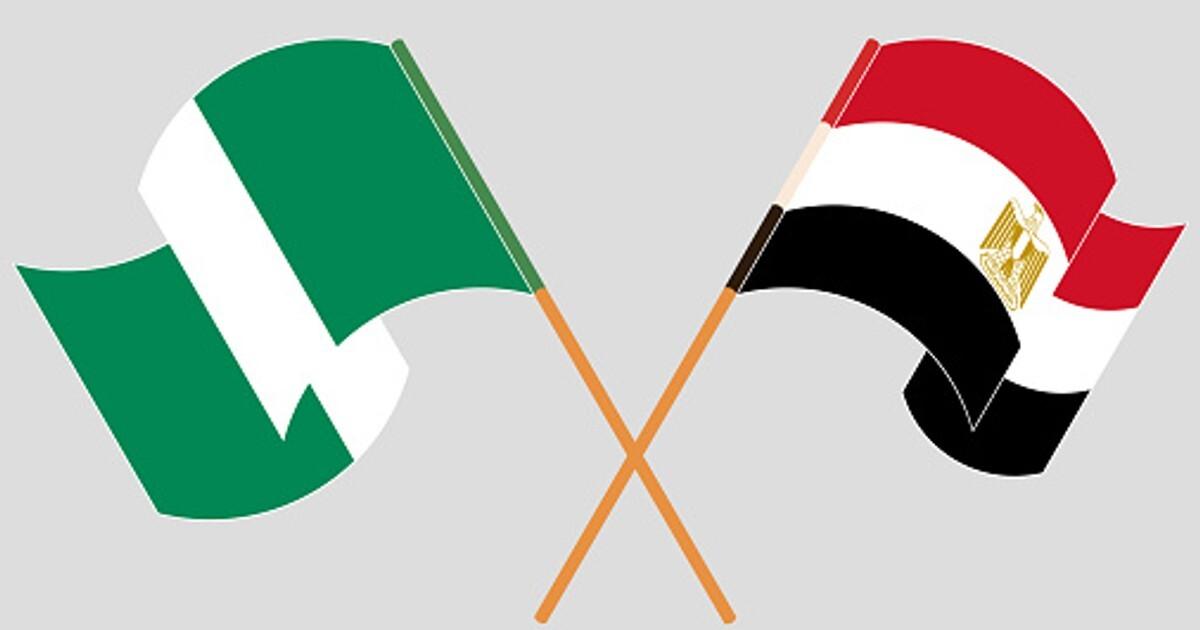
On 1 October 1960, Nigeria raised its green-and-white flag for the first time, proclaiming independence from British colonial rule. Across the continent, Egypt—already a leading voice of Arab nationalism and African liberation—watched with pride. Gamal Abdel Nasser, then at the height of his influence, hailed Nigeria’s independence as a milestone in the march toward an Africa free from colonialism. The day would resonate far beyond Lagos; it would echo in Cairo, Addis Ababa, and across the halls of the Organisation of African Unity (OAU), where both nations would later become founding members.
Egypt and Nigeria’s relationship has always been framed by Pan-African ideals. In the 1960s, Cairo offered political support and training to movements across West Africa, while Nigeria, as Africa’s most populous state, became a natural partner for Egypt in shaping continental agendas. Both were central in the formation of the OAU in 1963, later transformed into the African Union (AU).
This bond deepened in the 1970s and 1980s through education, cultural exchange, and diplomacy. Egyptian universities welcomed Nigerian students, while Nigerian oil exports supplied Egyptian refineries. Though occasionally slowed by internal challenges, the partnership maintained a rhythm—rooted in solidarity, revived by shared continental ambitions.
Today, Nigeria and Egypt are Africa’s two largest economies after South Africa, yet bilateral trade remains modest. In 2024, official figures placed two-way trade at about $200–250 million annually, dominated by Egyptian exports of chemicals, plastics, and textiles, and Nigerian exports of oil, gas, and agricultural commodities.
The African Continental Free Trade Area (AfCFTA) offers a chance to unlock this corridor. With more than 410 million consumers combined, Egypt and Nigeria can anchor value chains in pharmaceuticals, agribusiness, and ICT, linking West Africa’s markets with North Africa’s industrial base. Egyptian firms such as Elsewedy Electric have already expanded into Nigeria’s power sector, while Nigerian fintech companies are eyeing Cairo as a gateway to Arab and Mediterranean capital.
Energy is the sector where cooperation could redefine the relationship. Nigeria, Africa’s top oil producer and holder of vast gas reserves, and Egypt, an LNG exporter and electricity hub, both seek to become regional energy champions. Plans for a Nigeria–Morocco Gas Pipeline, potentially linking into Egypt’s grids and LNG facilities, highlight how Cairo and Lagos could be partners in energy security for Africa and Europe.
Infrastructure is another frontier. Egypt’s construction firms, buoyed by their role in the New Administrative Capital, are increasingly bidding for projects in Nigeria’s housing, transport, and industrial zones. Nigerian investors, meanwhile, are exploring joint ventures in Egypt’s Suez Canal Economic Zone, looking to benefit from proximity to Europe and Asia.
In a region marked by insecurity, Egypt and Nigeria have stepped up coordination in counter-terrorism, peacekeeping, and military training. Nigeria has faced Boko Haram and ISWAP insurgencies, while Egypt has fought extremist groups in Sinai. The two nations regularly coordinate within the African Union Peace and Security Council, pushing for African-led responses to conflict.
Cultural diplomacy also plays a role. Egyptian media—films, music, and TV—have long circulated in Nigeria, while Nigerian literature and Afrobeat have gained audiences in Cairo. Student exchanges and joint academic projects continue to knit younger generations together.
The next decade offers three clear avenues for deepening ties:
1. AfCFTA integration – Removing tariff barriers and streamlining logistics could raise bilateral trade five-fold. Joint trade missions and shipping links through Alexandria and Lagos are already under discussion.
2. Green energy and technology – Egypt’s investments in solar and green hydrogen align with Nigeria’s push to diversify away from oil. Joint ventures in renewables, EV assembly, and ICT innovation could emerge as new growth pillars.
3. Finance and fintech – Nigeria’s vibrant fintech sector (valued at over $1bn in 2024) is looking north for expansion. Egypt’s thriving banking and payments ecosystem offers both competition and partnership, potentially turning Cairo–Lagos into a pan-African fintech corridor.
Nigeria and Egypt’s story began with independence and liberation, but it is now shifting toward economics, technology, and shared continental leadership. The partnership is less about speeches at summits and more about the practical math of trade, energy, and investment flows.
As Nigeria marks its National Day this year, the two nations stand not only as historic friends but as potential co-architects of Africa’s next growth chapter—linking the continent’s western and northern hubs into a common path for the future.