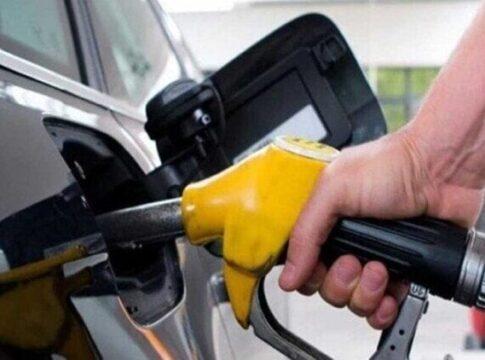
Egypt’s government has announced a second fuel price hike this year, raising prices across a range of petroleum products by nearly 10 to 13 percent. Official figures show gasoline 95 now at LE 21.00 per liter (up from LE 19.00), gasoline 92 at LE 19.25 (up from LE 17.25), gasoline 80 at LE 17.75 (up from LE 15.75), diesel at LE 17.50 (up from LE 15.50), and compressed natural gas (CNG) for vehicles set at LE 10.00 per cubic meter (up from LE 7.00). The adjustments were announced by the Ministry of Petroleum’s Automatic Pricing Committee.
The ministry also pledged that these prices will remain stable for at least one year. The move comes as part of Egypt’s broader strategy to gradually reduce energy subsidies, align domestic prices with global market realities and ease pressure on the national budget and current account deficit. According to the Associated Press, the increase follows a similar hike in April and is viewed as part of conditions tied to an $8 billion loan programme with the International Monetary Fund (IMF).
Observers say the reform is both necessary and risky. “Aligning fuel prices with actual costs helps curb subsidy burdens, but the impact on households is immediate and real,” says Dr Helena Wu, an energy-economics researcher. She warns that with inflation already over 11 percent and transport and goods costs rising, the social fallout must be carefully managed. Egypt’s fuel import bill has surged, and the government sees subsidy savings as essential. Reuters reports the government said the measure aims to narrow the gap between production/import costs and selling prices.
The timing also matters: this hike lands after the earlier April increase of around 11-15 percent and ahead of a promised freeze until late 2026. Analysts note that the implied freeze is meant to provide predictability, yet the burden remains on consumers and public transport sectors, which may pass on higher costs. Business Insider Africa highlights that Egypt now ranks among the highest fuel-cost countries in Africa after the increase.
For now, the government’s message is clear: subsidies must be reduced, prices must reflect real cost, and reforms must be sustainable. Yet for millions of Egyptians — motorists, transport operators, and ordinary consumers — the adjustment will sting. Whether the freeze is upheld and broader reforms succeed will determine the balance between fiscal stability and social resilience.