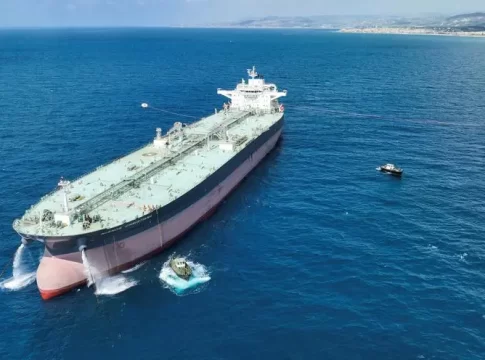
Syria has officially re-entered the global oil market with the export of its first crude shipment in 14 years, marking a significant milestone in the country’s efforts to revive its shattered economy. On September 1, 2025, some 600,000 barrels of heavy crude were loaded onto the Nissos Christiana tanker at the port of Tartus under a deal with the little-known trading firm B Serve Energy, according to Syria’s Ministry of Energy. The shipment underscores the new government’s determination to restore a once-critical revenue stream after years of conflict, sanctions, and infrastructural collapse.
Before the outbreak of war in 2011, Syria exported nearly 380,000 barrels of oil per day, accounting for a major share of state revenues. However, more than a decade of civil conflict reduced production to under 30,000 barrels per day by late 2024, as key oilfields changed hands between government forces, Kurdish-led groups, and extremist factions. The conflict, coupled with sweeping U.S. and European sanctions, crippled both exports and imports, leaving the energy sector largely paralyzed. Although officials did not disclose which fields supplied the latest shipment, most reserves lie in the northeast, an area currently under the administration of Kurdish-led authorities whose relations with Damascus remain fragile.
The return to crude exports comes just months after a pivotal policy shift. In June 2025, U.S. President Donald Trump issued an executive order lifting American sanctions on Syria, enabling Western and regional firms to re-engage in oil and gas development. U.S.-based companies have since begun drafting a master plan for exploration and extraction, signaling a potential wave of foreign involvement in Syria’s resource sector. The lifting of sanctions has not only made exports feasible but has also opened the door to long-delayed imports of much-needed refining equipment and drilling technology.
At the same time, Damascus is pairing its energy revival with a major investment in maritime infrastructure. In July, Syria signed an $800 million agreement with global logistics giant DP World to modernize and operate a new multi-purpose terminal at Tartus, after canceling a previous contract with a Russian operator. The deal aims to position Tartus as a regional hub for trade and energy shipments, while creating associated industrial and free trade zones to stimulate broader economic recovery.
Together, these developments highlight a turning point for Syria’s post-conflict economy. The resumption of crude exports will provide much-needed hard currency, while the DP World partnership underscores a shift toward international reintegration and infrastructure-led growth. Yet significant challenges remain: rebuilding war-damaged oil fields, managing political tensions with Kurdish authorities, and navigating a complex geopolitical landscape where both Western and regional interests will shape the pace of Syria’s recovery. Still, the Tartus shipment—Syria’s first in more than a decade—offers a symbolic and practical step toward reclaiming its place in global energy markets.