Egypt’s Ministry of Petroleum and Mineral Resources has confirmed that the recently announced natural gas arrangement with Israel is not a new deal, but rather an extension of the 2019 gas supply agreement, aimed at ensuring stability in energy supply and supporting Egypt’s long-term role as a regional energy hub.
The original 2019 agreement marked a major step in Egypt’s strategy to secure diversified energy sources. Signed with Blue Ocean Energy (BOE), which purchases gas from Israel’s Leviathan field, it involved the import of approximately 60 billion cubic metres (bcm) of gas over a projected decade, starting in January 2020.
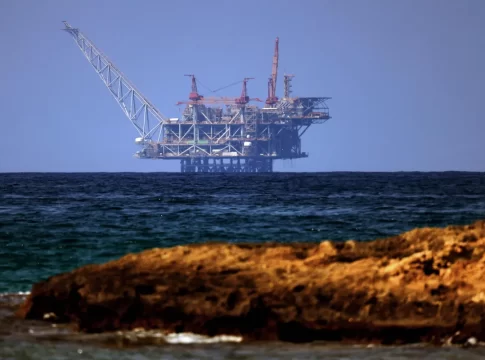
Since production began, the Leviathan reservoir has delivered around 23.5 bcm to Egypt, averaging roughly 4.5 bcm annually, supplemented by occasional spot market purchases. The original deal was expected to run into the early 2030s, but with volumes nearing fulfilment, discussions led to the extension.
The new terms — announced by Israel’s NewMed Energy but clarified by Egypt as a continuation of the existing framework — will see up to 130 bcm supplied through 2040, divided into two stages. This includes new infrastructure investments such as additional pipelines and enhanced transport capacity, ensuring reliable delivery and operational flexibility.
In the past two years, Egypt’s gas purchases under the agreement have served both domestic consumption needs and re-export operations through Egypt’s liquefied natural gas (LNG) facilities in Idku and Damietta.
- Financial Leverage: The Brent crude-linked pricing formula allows Egypt to optimize purchase timing. Gas that is surplus to domestic needs has been re-exported at market rates, generating valuable foreign currency inflows.
- Operational Stability: Imports have complemented Egypt’s domestic production, reducing seasonal shortages during high demand and avoiding the high costs of emergency spot LNG purchases.
- Infrastructure Synergy: Integration with Egypt’s existing pipeline and LNG export systems has reduced reliance on more expensive global LNG imports and strengthened its competitive position as an eastern Mediterranean gas hub.
While exact profit margins fluctuate with energy markets, the agreement has enhanced Egypt’s flexibility to manage gas flows, maximize LNG export revenue, and maintain stable supply during production fluctuations.
Strategic Benefits
- Energy Security – The extension ensures stable supply during a period of regional geopolitical volatility, providing Egypt with a dependable buffer against demand surges or temporary disruptions in domestic output.
- Regional Energy Hub Role – As the only eastern Mediterranean country with established LNG export facilities, Egypt can channel both its own gas and imported volumes to international markets, reinforcing its strategic relevance.
- Infrastructure Development – The planned pipeline expansions and capacity upgrades will not only benefit gas imports but also enhance Egypt’s outbound gas and LNG export potential.
- Diplomatic Leverage – Maintaining diversified sources — including agreements with Israel, Cyprus, and potential future suppliers — allows Egypt to balance energy partnerships while safeguarding its independence in decision-making.
- Sustainability and Transition Readiness – Gas remains central to Egypt’s medium-term energy transition strategy, supporting lower-carbon power generation and enabling the gradual integration of renewables without sacrificing reliability.
Egypt’s Position on Security and Sustainability
Egypt’s petroleum ministry has stressed that the deal is flexible and conditional on national interest. As Ministry spokesman Moataz Atef stated:
“If we need the gas, that’s fine; if not, that’s also fine. The priority is strategic insurance.”
This stance reflects a dual commitment: securing affordable, reliable energy for domestic needs while leveraging Egypt’s geographical and infrastructural advantages for export. The arrangement is designed to adapt to shifting market conditions, ensuring Egypt retains full control over its energy security and policy direction.
The extension of the 2019 gas agreement with Israel is less a new venture than a reinforcement of Egypt’s broader energy strategy. By combining domestic production growth with targeted imports, Egypt is not only safeguarding its own energy needs but also cementing its role as a regional gateway for eastern Mediterranean gas — a position that brings both economic dividends and geopolitical influence.