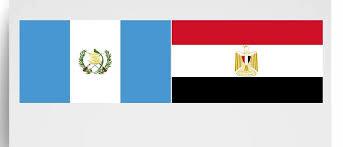
Each year on 15 September, Guatemala’s streets awaken to the sound of marimbas, the gleam of blue-and-white flags, and the flame of the Antorcha de la Independencia — the Independence Torch. From schools to villages, runners carry it across towns, igniting pride and memory. What began in 1821 as the declaration of freedom for Central America has become Guatemala’s living ritual: liberty renewed through movement, music, and community. This flame now leaps oceans, finding its reflection in the Nile, where Egypt and Guatemala quietly nurture a partnership that stretches beyond symbols into trade, culture, and shared opportunities.
Diplomatic relations were established on 9 September 1970, and this year Guatemala’s Ministry of Foreign Affairs marked the 55th anniversary with a promise: “Guatemala reafirma el compromiso por estrechar aún más los vínculos con Egipto.” From cultural and scientific agreements in the 1980s to new commercial dialogues today, the connection is steady, if understated.
Guatemala’s Embassy in Cairo (Maadi) and Egypt’s Embassy in Guatemala City (Zone 14) provide the institutional backbone — concrete doors for businesses, students, and cultural envoys to knock upon.
Egypt–Guatemala: By the Numbers
- Egypt → Guatemala (exports 2024): US$26.64 million — plastics, paper & cardboard, apparel, pharmaceuticals.
- Egypt ← Guatemala (imports 2024): US$13.38 million — overwhelmingly cardamom, along with other spices and niche agro-exports.
Guatemala is the world’s largest cardamom exporter. In 2023, it shipped US$387 million globally, and Egypt — with its vibrant hospitality, food-processing, and retail sectors — is a natural consumer market. The spice trade is not just numbers: it is flavor binding cultures, and aroma linking continents.
The partnership, though modest in scale, carries seeds of expansion:
- Spice Corridors: Cardamom already anchors trade. Standardized quality grades, forward contracts, and improved logistics can transform supply into long-term certainty for Egypt’s HoReCa and retail chains.
- Packaging and Inputs: Egypt’s plastics, paper, and pharma exports align naturally with Guatemala’s agri-export economy. A two-way corridor of goods and know-how can balance trade baskets.
- Health and Standards: Draft MoUs between Guatemala’s Ministry of Economy and Egypt’s pharmaceutical authority could open regulated channels for medicines and medical supplies — a crucial foundation for growth.
- Logistics and Connectivity: Egypt’s new food-security infrastructure — silos, cold storage, financing tools — offers a model for Guatemalan spice exporters to shorten delivery times and ensure freshness.
Beyond trade, Guatemala and Egypt share in cultural diplomacy: scholarship exchanges, religious dialogue, and participation in international commissions like LACAC, where aviation and logistics cooperation can lay groundwork for future air cargo links.
On this National Day, we celebrate Guatemala’s torch that lights both memory and future. From the highlands of Alta Verapaz, where cardamom blossoms scent the air, to Cairo’s bustling markets and kitchens, where the spice perfumes Egyptian dishes, the bond is tangible.
May Guatemala’s blue-and-white torch continue to burn across the Atlantic, and may the two nations turn every shipment into a story — of flavor, trust, and shared prosperity.