
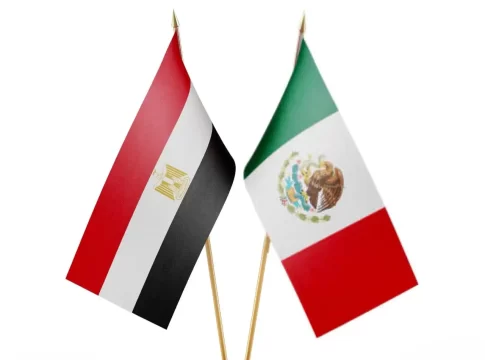
Each September, as midnight nears on the 15th, the plazas of Mexico burst into life. The bells of the National Palace toll, the President waves the flag, and the cry — “¡Viva México!” — carries across the Zócalo. Fireworks paint the sky, mariachi bands stir the crowds, and families gather to share pozole, chiles en nogada, and laughter. What began in 1810 as a cry for freedom has become a ritual of renewal, binding the nation’s identity year after year.
Across the ocean, in Cairo, that echo of celebration is more than symbolic. It resonates in embassies, in boardrooms, and in the growing dialogue between Mexico and Egypt — two ancient civilizations now charting economic and cultural bridges across continents.
Egypt and Mexico established diplomatic relations in 1958, and since then, the bond has been nurtured through embassies, ministerial visits, and multilateral forums such as the UN and G77. Today, both countries view each other not just as partners, but as gateways — Mexico to Latin America and North America, Egypt to Africa and the Middle East.
Recent high-level meetings have emphasized cooperation in renewable energy, cultural exchange, tourism, and trade promotion. Cultural diplomacy is alive too, with events in Cairo showcasing Mexican art and cuisine, while Egyptian cultural institutions participate in Mexico’s international fairs.
Trade remains modest but promising:
- Egypt → Mexico (exports): plastics, chemicals, textiles, fertilizers, and glassware.
- Mexico → Egypt (exports): machinery, electrical equipment, vehicles, auto parts, cereals, and meat products.
- In 2023, bilateral trade stood at approximately US$140 million, with both sides seeking to expand this figure significantly.
While Mexico is a global industrial and agricultural powerhouse, Egypt’s geographic location and growing industrial base offer natural complementarities.
The road ahead is rich with possibilities:
- Agro-foods: Mexico’s cereals, beef, and processed foods could meet Egypt’s growing demand, while Egyptian fruits, vegetables, and processed agro-products could find niche markets in Mexico.
- Energy and Renewables: Mexico’s expertise in oil, gas, and solar can intersect with Egypt’s renewable energy expansion under its Vision 2030.
- Automotive and Manufacturing: Mexico’s auto industry offers opportunities for Egyptian investors seeking exposure to North American markets, while Egypt can provide access to Middle Eastern and African consumers.
- Tourism & Culture: Joint circuits linking the pyramids of Giza with the temples of Teotihuacán or Mayan sites could redefine cultural tourism exchanges.
- Logistics & Shipping: Egypt’s Suez Canal offers a vital maritime corridor for Mexican exports heading toward Europe, Africa, and the Middle East.
- Challenges: Distance, shipping costs, and limited awareness of market opportunities.
- Pathways: Joint trade fairs, MoUs on customs and standards, promotion of business councils, and direct logistics arrangements can transform challenges into channels of growth.
“Egypt represents a bridge for Mexico into Africa and the Arab world, while Mexico is Egypt’s entry to Latin America and North America,” a senior official recently remarked. The sentiment captures the essence: two nations with vast histories, now leveraging geography and modern trade to create a south–south partnership.
On this Independence Day, The Middle East Observer salutes Mexico — a land where the cry of liberty still echoes each September, where volcanoes and coastlines frame a vibrant economy, and where mariachi strings carry both pride and joy. May the Grito’s echo reach the Nile, may our ports and markets find shared prosperity, and may Egypt–Mexico ties grow as bright as the fireworks over the Zócalo.