
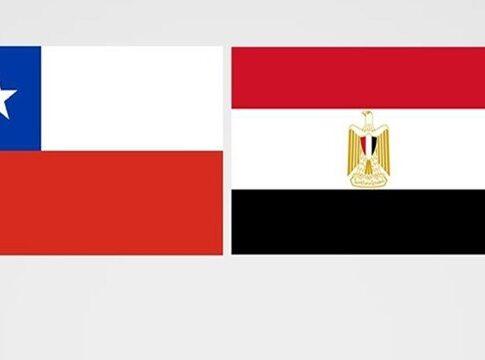
Each 18 September, Chile awakens to the rhythm of cueca dance, the scent of grilled asado, and the colors of the Fiestas Patrias. This is more than a commemoration of the First Government Junta of 1810; it is a living tradition, a national heartbeat of family, history, and pride. In plazas from Santiago to Valparaíso, the people relive their heritage, not as a page in a textbook, but as music, flavor, and laughter woven into everyday life.
Across the Atlantic, in Cairo, that same spirit finds reflection in diplomatic handshakes and economic dialogue. Chile’s independence, once secured in the shadow of the Andes, now threads its way into the Red Sea, carried by trade, investment, and shared ambitions with Egypt.
Relations between Egypt and Chile stretch back nearly a century, formally established in 1929. Early trade offices in Alexandria and consular ties in Cairo testify to a relationship built on long memory and mutual respect.
Today, diplomacy extends beyond embassies and ceremonies. It lives in boardrooms, ministries, and the quiet drafting of memoranda that bring the Andes closer to the Nile.
Though trade volumes remain modest, the profile is increasingly complementary:
- Egyptian exports to Chile include manufactured goods, textiles, and agricultural products.
- Chilean exports to Egypt include dried and dehydrated fruits, raw materials, specialized agro-products, and, increasingly, critical minerals.
Recent visits by Chilean business delegations to Egypt (2023) highlighted demand for Chilean fruits and food products, while Egyptian exports in plastics, fertilizers, and manufactured goods show potential for deeper exchange.
The most promising arena lies in energy and mining. In August 2025, Egypt’s Minister of Petroleum and Mineral Resources, Karim Badawi, met with Chilean Ambassador Roberto Ebert and Enap Sipetrol executives. Their talks centered on:
- Expanding joint oil and gas exploration projects, including in Egypt’s Eastern Desert.
- Sharing Chile’s expertise in lithium and copper extraction.
- Aligning on Egypt’s ambitions to build critical minerals value chains — a sector vital to renewable energy, batteries, and global industry.
As Egypt advances renewable energy projects and critical mineral development, Chile’s reputation as a global leader in copper and lithium places it as a natural partner.
- Challenges: Distance and shipping costs remain significant; regulatory frameworks (food safety, mining standards) require continued alignment.
- Opportunities: Egypt can act as Chile’s gateway to Africa and the Middle East, while Chile offers Egypt an entry point into Latin America. Joint ventures in copper and lithium processing, renewable energy, aquaculture, and fruit trade can create new corridors of prosperity.
Activating the Joint Committee for Economic Cooperation between Egypt and Chile would provide a structured pathway to formalize and accelerate these opportunities.
“Egypt represents a gateway to Chile’s relations with the African continent in terms of trade and investment,” Egypt’s Minister of International Cooperation affirmed.
Chilean Ambassador Roberto Ebert echoed this vision: “Chile is committed to strengthening political and economic relations and harnessing mutual benefits from cooperation.”
On this Independence Day, The Middle East Observer salutes Chile — a nation of liberty, mountains, and minerals — and the friendship it extends across the seas. May the copper threads of industry bind the Andes and the Nile, may every shipment of fruit tell the story of two peoples trading trust, and may our future ventures shine with the resilience of steel and the purity of gold.