
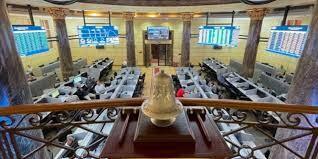
August Performance Recap
The Egyptian Exchange (EGX) ended August modestly higher, lifted by foreign inflows and a late-month rate cut, despite two mid-month pullbacks. The EGX30 benchmark gained 4.2% month-on-month, closing at 35,637.94 points against 34,198 at end-July. Broader indices outperformed: the EGX70 EWI rose 6.2% and the EGX100 EWI added 4.6%, signaling strong momentum in small- and mid-cap stocks. Market capitalisation climbed to EGP 2.49 trillion, from EGP 2.47 trillion at the start of the month.
Foreign investors drove the rally, with non-Arab inflows totaling almost EGP 13 billion in August, offsetting steady selling by Egyptians and Arab traders. Pharmaceuticals, land reclamation and food milling stocks dominated the gainers list, with October Pharma, North Cairo Mills and Wadi Kom Ombo Land Reclamation all surging more than 20%. In contrast, cement, textiles and duty-free retail lagged, with Sinai Cement and Misr Duty Free Shops among the notable losers.
A turning point came on 28 August, when the Central Bank of Egypt cut key rates by 200 basis points to 22% (deposit) and 23% (lending), its third cut this year. The move reflected easing inflation and firmer growth, reinforcing the case for equities over high-yield deposits.
Market sentiment also gained support from structural reforms and leadership changes. On his very first day in office, newly appointed EGX Chairperson Islam Azzam met with Prime Minister Mostafa Madbouly, Finance Minister Ahmed Kouchouk, and FRA Head Mohamed Farid to chart a roadmap for the market’s revival.
IPO incentives are at the forefront: a proposed full tax exemption on IPO proceeds—expected to be finalized by month’s end—would directly tie into Egypt’s privatization drive and encourage more companies to list.
Azzam also laid out a two-pronged reform vision: expanding financial instruments, including the long-awaited derivatives market, and introducing a market maker mechanism to boost liquidity and efficiency. Farid emphasized the regulator’s ongoing work on fintech and sustainable finance, while Madbouly stressed that a stronger, more active bourse remains central to Egypt’s broader economic reform agenda.
In parallel, the launch of the EGX’s first official mobile app marked another step toward democratizing access and deepening retail participation.
The tone heading into September is cautiously optimistic. Lower rates and strong foreign demand provide a tailwind, while structural reforms under Azzam’s leadership promise to unlock long-term liquidity. However, risks persist from local profit-taking and global volatility.
Pharmaceuticals, banking and real estate are likely to remain in focus, while the release of August CPI data mid-month could shape expectations for further monetary easing. The base case points to range-bound to mildly positive performance, with small- and mid-caps retaining an edge.