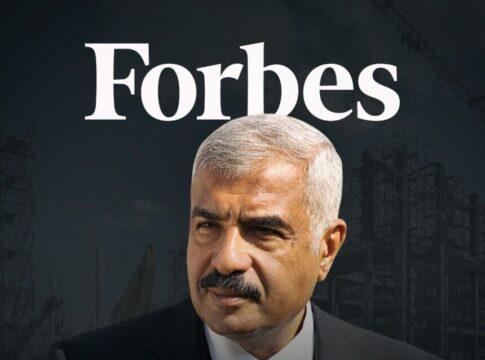
In a year marked by surging regional competition in tourism and real estate, Hisham Talaat Moustafa, CEO and Managing Director of Talaat Moustafa Group Holding (TMG), has secured his place among the Middle East’s most influential travel and tourism leaders, climbing three spots to 12th place on Forbes Middle East’s 2025 list. It is the fourth consecutive year he has been named the top Egyptian figure in the rankings.
Moustafa’s recognition stems from his 40-year leadership of TMG, a conglomerate that today operates over 5,000 hotel rooms across 11 luxury properties, with five more under development. The group’s vast land holdings span 125.9 million square meters in Egypt, Saudi Arabia, Oman, and Iraq — a footprint that tourism analysts say positions TMG as one of the few Egyptian firms capable of competing with Gulf mega-developers.
“TMG is not just growing; it’s outpacing the market,” says Dr. Karim Abdel-Rahman, a Middle East hospitality consultant at Colliers International. “Their integration of real estate, luxury hospitality, and regional partnerships is a textbook case of how to leverage domestic leadership into cross-border dominance.”
One of Moustafa’s boldest moves came through Icon, TMG’s tourism arm, acquiring a 51% stake in Legacy Hotels and Touristic Projects Company. This portfolio includes seven iconic historic hotels such as the Marriott Mena House Cairo, Sofitel Winter Palace Luxor, and Old Cataract Aswan. Industry insiders view the deal as a masterstroke — boosting TMG’s foreign currency revenues while safeguarding Egypt’s heritage assets. This acquisition gave Egypt’s historic hotels the capital and management expertise they needed to sustainably compete globally.
The numbers back up Moustafa’s Forbes leap. In the first half of 2025, TMG’s real estate sales hit a record EGP 211 billion, up 59% from last year — without launching new projects. The SouthMED North Coast project alone contributed EGP 106 billion in sales and reservations, bringing its total to EGP 384 billion within just one year of launch.
The hotel division also reported 39% revenue growth, reaching EGP 7.17 billion. Service revenues surged 68% to EGP 4.6 billion, underscoring the company’s diversification strategy.
“TMG’s ability to sustain double-digit growth across multiple sectors in a challenging macroeconomic environment is remarkable,” says Fahd Al-Khalifa, a senior analyst at Gulf Capital Research. “Their backlog of EGP 363.7 billion in undelivered sales offers revenue visibility well into the next decade.”
In May, TMG signed a landmark agreement with Oman’s Ministry of Housing and Urban Planning to develop two real estate projects near Madinat Sultan Haitham. This move signals the company’s intent to deepen its Gulf presence, an area where Saudi Arabia and the UAE have been rapidly scaling up tourism investments.
Forbes’ methodology — which weighed factors such as business size, revenues, asset value, regional presence, leadership impact, and notable initiatives — favored Moustafa’s mix of heritage preservation, luxury positioning, and geographic diversification.
TMG’s partnerships with Four Seasons and Kempinski have elevated Egypt’s luxury hospitality market, lifting average room rates and attracting a new tier of affluent travelers. Analysts credit this with “redrawing the map” of the country’s high-end tourism offerings.
As TMG’s Board of Directors recently approved its mid-year financial and operational performance, Moustafa’s formula for success appears clear: heritage meets innovation, backed by aggressive regional expansion.